

a Fight for Mamma Toogs
Last week The United States Department of Agriculture (USDA) hosted an open comment session for the controversial Foothills Landscape Project. While the Forest Service and USDA are pushing for the plan as a needed measure to ensure biodiversity and as a guardian against potential natural disasters, the effect of the project on the Chattooga River watershed has raised alarm. Unlike recent land policies with a clear line in the sand between irreparable damage in the name of economic progress, the Foothills Landscape Project presents a more nuanced case study.
The project itself is expansive, with multiple stages covering large swaths of national forest in both Georgia and South Carolina. The root of the project is to address longstanding land maintenance goals set out by the USDA, while leveraging multiple site-specific techniques, including clear-cutting and controlled burns.
Ultimately, the Forest Service outlines the project as wide ranging a effective on multiple issues that are front of mind for many Americans, writing the following on the project's home page:
“The Foothills Landscape Project was proposed to create, restore, and maintain resilient ecosystems through a variety of active management techniques that address unique habitats, forest composition and structure, risks to forest health, resilience to climate change, forest successional diversity, aquatic and terrestrial wildlife habitat, communities at risk of wildfire, and sustainable recreation opportunities.”
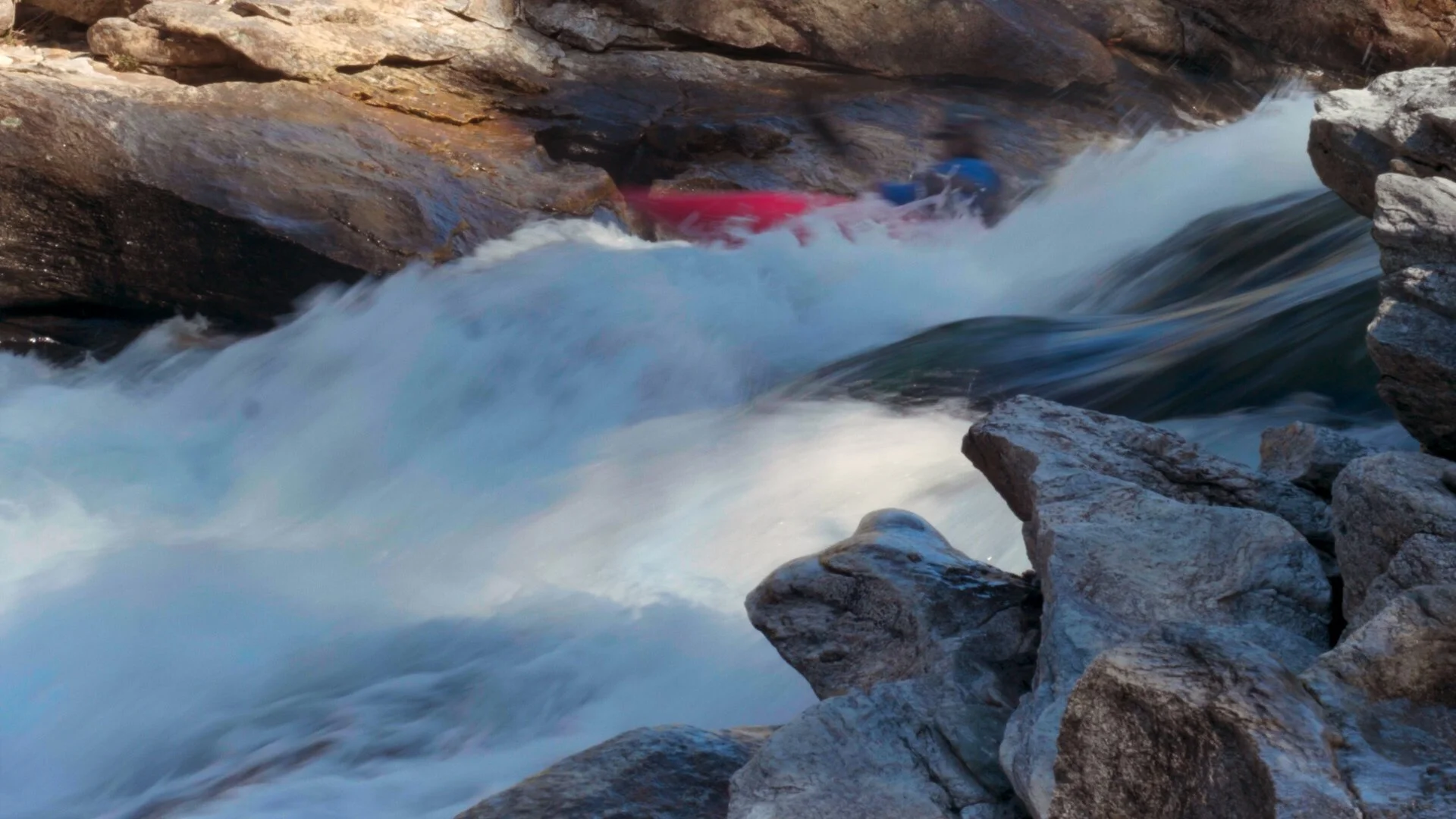
While this project has been relatively well received in Georgia, the phase taking place on the Lower Chattooga River has raised alarm. This section of the river is figuratively holy ground for many members of the outdoor community, home to iconic sections of whitewater and even noted as a point of passion for President Jimmy Carter. For those who live in Long Creek, South Carolina, the town surrounding the section and the greater Oconee County, the Chattooga is not just a river; it is a living organism. It is with this passion and wary eye that the Chattooga River Conservancy has found an issue with the plan for the Lower Chattooga.
The community has noted that both the use of commercial logging and controlled burning are a threat to “Mama Toogs.” The argument is more than just spiritual, as the logging rights are sold to a company without any affiliation to the local community, and the effect of smoke and burning near the Wild and Scenic River will immediately affect the water quality.
The phase set along the Lower Chattooga is already in motion and leaving the Conservancy with little leverage, know hopeing to bolster their efforts by facilitating large-scale state and national attention. Regardless of the outcome, real change is set to come in one of America's most iconic watersheds.
