

Your high brace isn’t as good as you think
No matter how good a paddler you are, there will always be situations where you will catch an edge and need to throw a brace to keep your head dry. If a progressive forward stroke is a sword, an array of effective braces form the shield in our paddling repertoire, particularly in an open canoe, where fewer blades lead to a lower margin for error and increased difficulty of strokes. But while a firm set of braces makes you exponentially stronger, one brace taught for years is quickly going out of style.
The High Brace
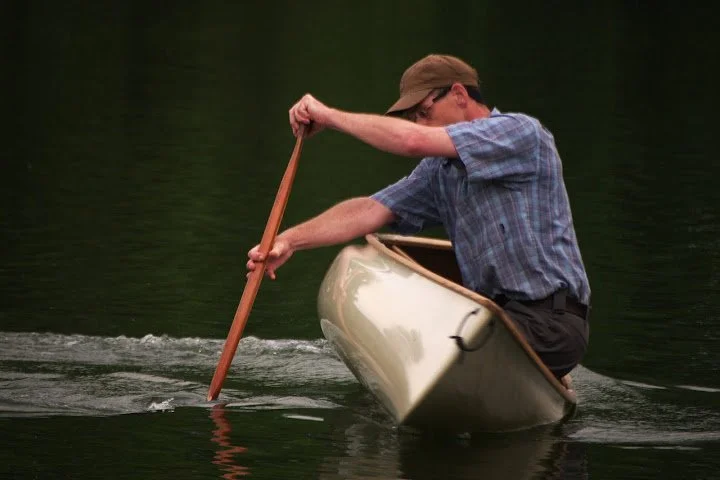
Within the progression of teaching canoeing strokes, the high brace is considered a compliment to the low brace, the offside brother, if you will. The stroke is a combination of the draw, which pulls the gunwale toward your onside. The difference in this situation is that the high brace is an elevated and often off-balance iteration of the draw, which places your shoulders way outside of a square athletic position. This stroke is frequently quickly learned, but can be a crutch that leads to injury once paddlers reach big water.
The Low Brace
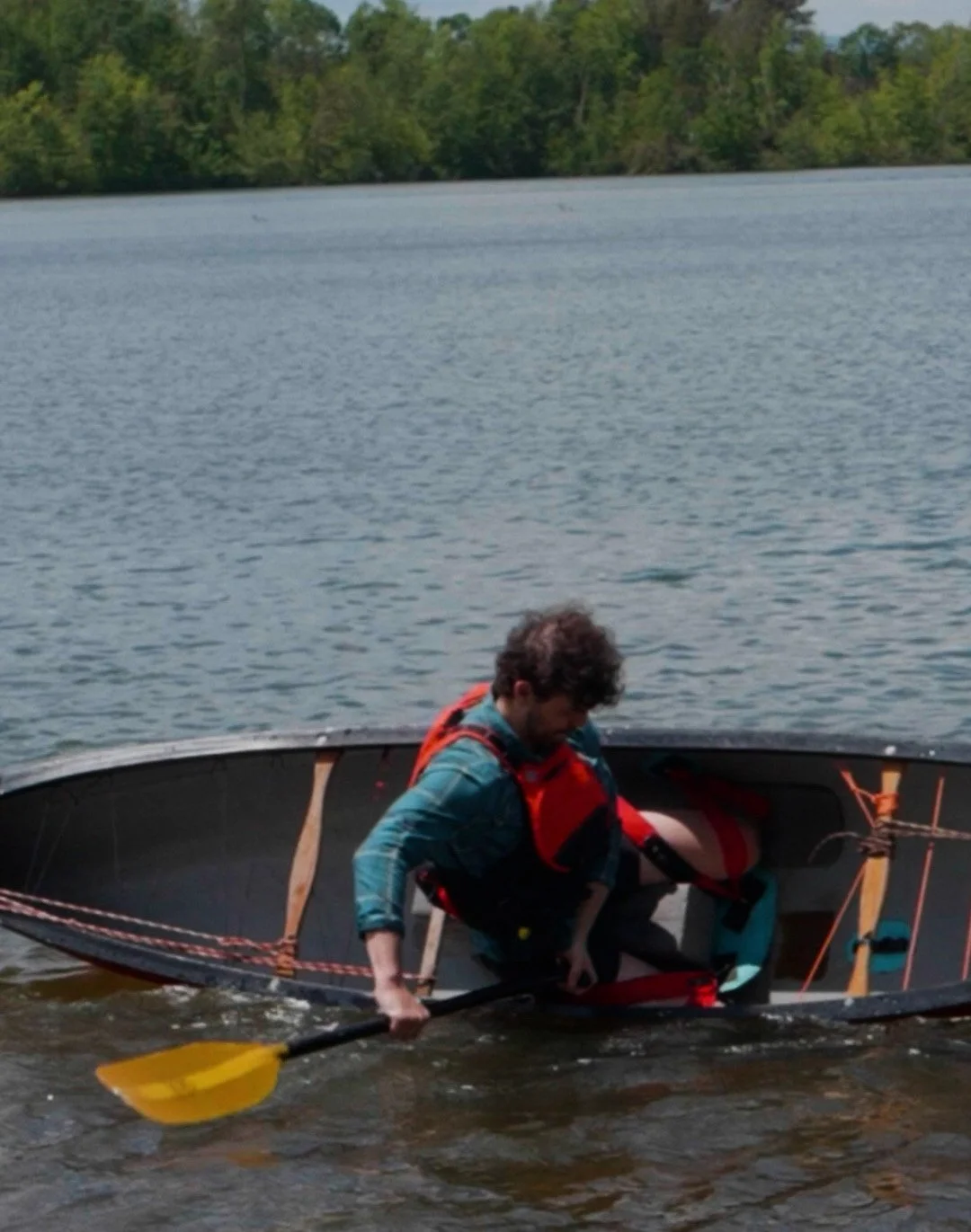
While the high brace is easy to instruct in a beginner setting, the low brace is a much more effective and safe corrective stroke. The only issue is that it can only be performed when the onside is slipping toward the water. The stroke seems to take inspiration from the slapping of a beaver’s tail on the water. A paddler takes the face of their blade and slaps it down horizontally onto the water. What this creates is almost like a pontoon that a paddler can push off of and right the boat. This action all happens without bringing arms and shoulders up, hence protecting our precious shoulders from dislocation. The low brace is often harder to learn and takes time to perfect, but with patience and practice, it becomes a powerful tool in your paddling arsenal.
The Riding Pry
With a lack of feasible offside options, the high brace has been thought of for generations, leaving a wake of shoulder dislocations and strains in its path. This technique was how I instructed braces until Elizabeth Andrea, a seasoned canoe instructor and open boat lover, told me there was a better way that was safer and more effective. This new technique is the riding pry, which takes the classical pry and applies it as a corrective stroke. The stroke is initiated with a deep vertical plant alongside your hip, followed by pulling your top hand back and leveraging off the chine your boat. This action and pressure placed on the chine, now open to the air, has a counteractive force that instantly corrects your boat. The snappiness and mechanical advantage achieved from prying off the hard chine of a boat allows for a stroke that applies less pressure on your shoulders and is more effective than a high brace.
Bracing is a fast, almost instinctive aspect of canoeing that takes many tries and ultimately many swims to master. With time, the feeling of an edge being pulled toward the water will become synonymous with a low brace or riding pry. It is here where time and experience create the most enjoyable part of an effective brace, a feeling of connection with your canoe. This sense of accomplishment is what makes the journey of mastering these techniques so rewarding.
